5.1.1.4 The Omnipresence of Hands – From Sandagergård to Chauvet
This is a study supposedly about the hands, while really it is all about the Heart, and the extension of the Heart. The hands are in the periphery of extremities yet everywhere, as an extension of Source. They are the original tool and the means of the Heart-Mind to manipulate a physical realm. Hands that talk speak a language that crosses any boundaries of speech. Hands will articulate spiritual power through hand positions such as mudras or through the hands of a healer. As if reflecting this emphasis on interaction between the two worlds, the spiritual and physical realms, the hands, along with lips and mouth, have more neural innervation in the brain than the rest of the body has. The right and left hand represent a dual expression, holding the essence of Faunus, reminding that the deeds of the hands can be connected to or disconnected from Heart.
The connection between the Centaur Chiron and the Trans Neptunians Sedna and Faunus may seem a far-fetch, but together they reveal what it is to have a Human Heart, and the necessity of guarding it. They all hold a position in the Solar system where a boundary is crossed. Chiron at the boundary of Saturn and its mental structures, Saturn being the last planet visible to the naked eye. Sedna and Faunus at the boundary of Pluto where conscious shifts to unconscious. Both Chiron and Sedna are intermediaries, with orbits that bridge different parts of our Solar system, reminiscent of the hands as mediators of the Heart. While Chiron reaches into and out of the Saturnian realm at the Heart Center, Sedna reaches into and out of the Plutonian boundaries that guard the electromagnetic field of the Heart at the Root Center and the Third Eye.
Faunus is the keeper of the energy center of the Hands, the only energy center that can touch every other energy center within the microcosmic body, reflecting the hands capacity to be everywhere, as an omnipresence of the Heart. One message that Sedna and Faunus holds for us, is the risk of losing the Heart connection, becoming less of a Human. While Chiron keeps our humanity as the God spark at the center of the Heart, Sedna and Faunus represent what can make us more or less Human, more or less connected to the Heart. Sedna and Faunus represent the loss and the retrieval of Soul, fragmentation and healing. What distinguishes Sedna from Faunus is a matter of how close Sedna, as an intermediary body, gets to the physical realm, planting seeds of light or darkness in the world.
Prehistoric artists would blow red ochre and black cinder over their hands, leaving handprints on cave walls next to figurative and non-figurative art. The hand stencils appear to be the most prevalent sign of a human presence within a world occupied predominantly by the imagery of animals. The hands seem to have a reach that can touch that which lies within the spirit world. While the original intention of the hand stencils may be but a dismembered memory, the hands seem to suggest the potential of the Human spirit as a mediator between the two worlds. Sometimes the hand will show digits missing. Whether folded in to make signs or for other purposes, it reinforces the feeling of being there, but also not there. In the Yupik Eskimo tradition we find depictions of the thumbless hand with holes in the palm, representing the opening to the spirit world from where animals are released for humans to hunt. There is a magical quality to the hand, extending and connecting the human to the resources of the spirit world.
The Hand Stones from Sandagergård
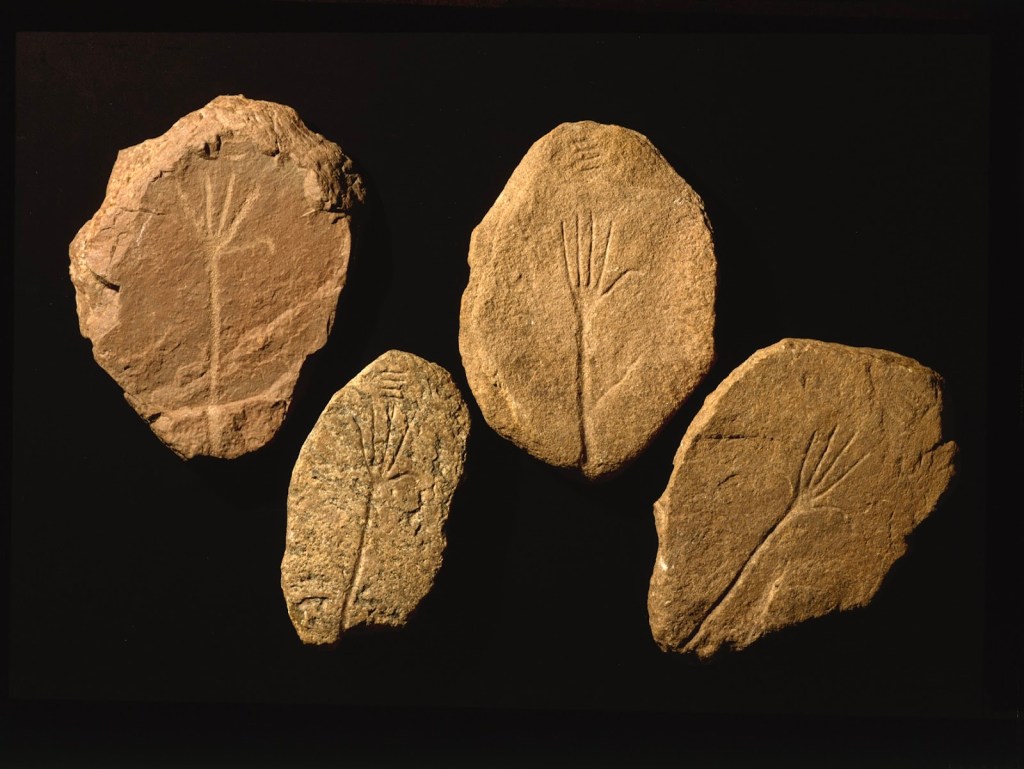
At the site of a bronze age cult house at Sandagergård, Denmark, there were four stones excavated bearing the carved or pecked motif of a hand with four horizontal lines above it. The stones were found south of the house, laid in a row with the fingers of the carved hands pointing towards the house, two of them upturned, one downturned, and one standing. The interpretation of this setting revolves around the house as the place for a death cult, with the hand stones as a boundary symbol to mark the taboo of death1. The cult house would have been used as a liminal space connected to the transition of death and communication with the ancestors and divinities. Hand stones usually appear in similar contexts related to the sphere of death, with some variation in the motif, but overall they seem to be part of a widespread ritual institution. Most of the hand stones appear as cover slabs in cremation burials. The hand stones from Sandagergård differ in that they were not found in direct connection to a burial, as the three urn burials in Sandagergård were found inside the cult house while the hand stones were placed outside.
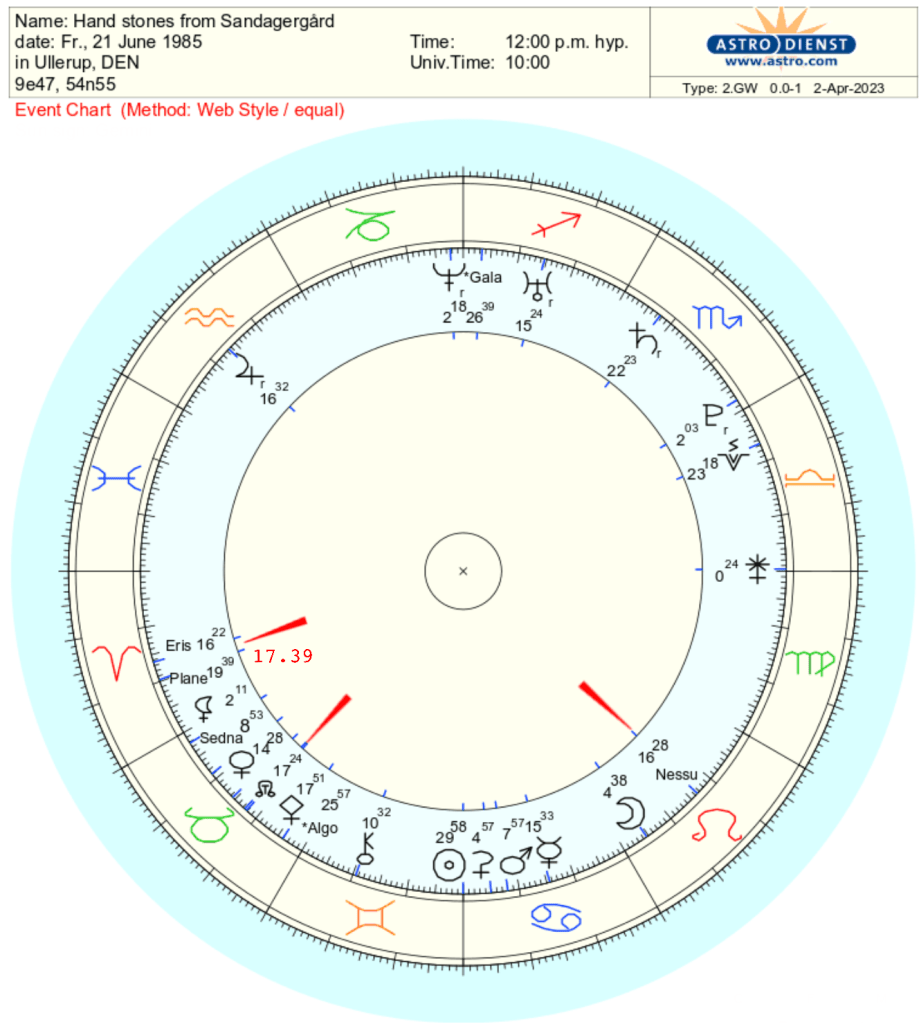
The chart for the excavation of the cult house and the hand stones has a Faunus-Nessus signature. As always I remind you that the astrological analysis is done with the intention to discern the correspondence between planet and archetypal image, not to make interpretations of the archaeological material. Nessus could however very well reflect the setting of a boundary, while also representing the transition of death, and release of body. The correspondence to Nessus is in line with the interpretation that the hand stones were placed to make sure that what came through from the otherworld in the liminal space of the cult house stayed there. With Nessus there is often an element of control and a setting of boundaries. Faunus on the other hand corresponds to the symbol of the hand, while also reflecting the encounter with the void, and the cycle of death and rebirth. The four horizontal lines above the hands have been interpreted as a symbol connected to cyclical time as the four turns of night and day and the four seasons. On the hand stones we find the image of cyclical time confronted with the timelessness of Faunus.
Hand imagery within the archaeological record
The astrological markers for the image of the ‘hand’ are Faunus, Sedna and Chiron. With the deviating objects in mind I am now also considering Nessus, as an aspect of the hand related to control. Nessus like Chiron touches the Saturnian realm at the Heart center.
Hand stones from Sandagergård
June around midsummer 1985
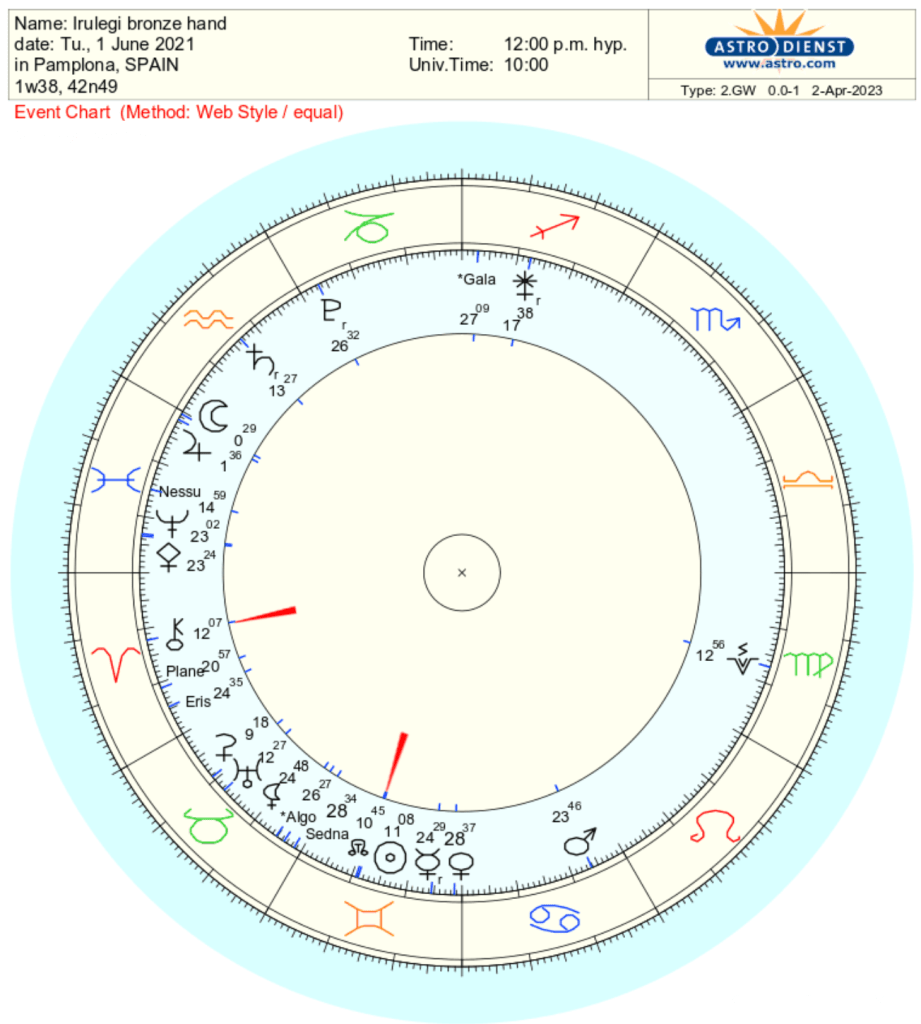
Irulegi bronze hand
June 2021
A bronze object in the shape of a hand, engraved with words in a Vasonic language, a precursor to modern Basque language. With a hole for hanging it was possibly a sign of protection welcoming visitors with a blessing, one of the words ‘sorioneku’ has been deciphered as meaning ‘good fortune’ or ‘good omen’. In the astrological chart we see Saturn representing a boundary and Chiron representing a reaching across those boundaries, human-friendly and welcoming.
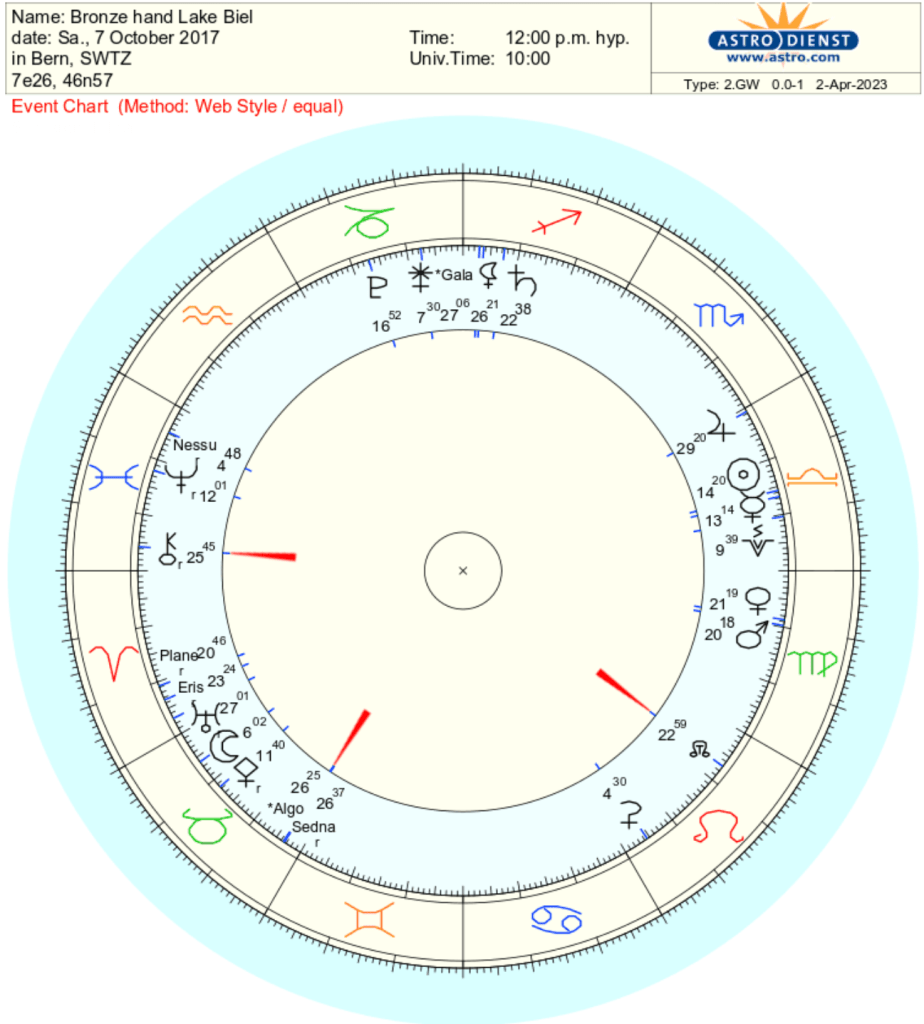
Bronze hand Lake Biel
7 October 2017
A bronze hand with gold foil cuff found by metal detectorists near Lake Biel, Switzerland, as part of a burial. Suggestions on what its purpose could have been range from it being a prosthetic metal limb to it having been mounted on a statue or a scepter, for ritual purposes. The Chiron-Sedna-Saturn signature of the chart could very well be a reflection of either of these suggestions. Sedna holds the imagery of the prosthetic limb, something lost being replaced by artificial means. At the same time Sedna reflects the connection to spirit if this is a ritual object. Overall both Chiron and Sedna signify the hand.
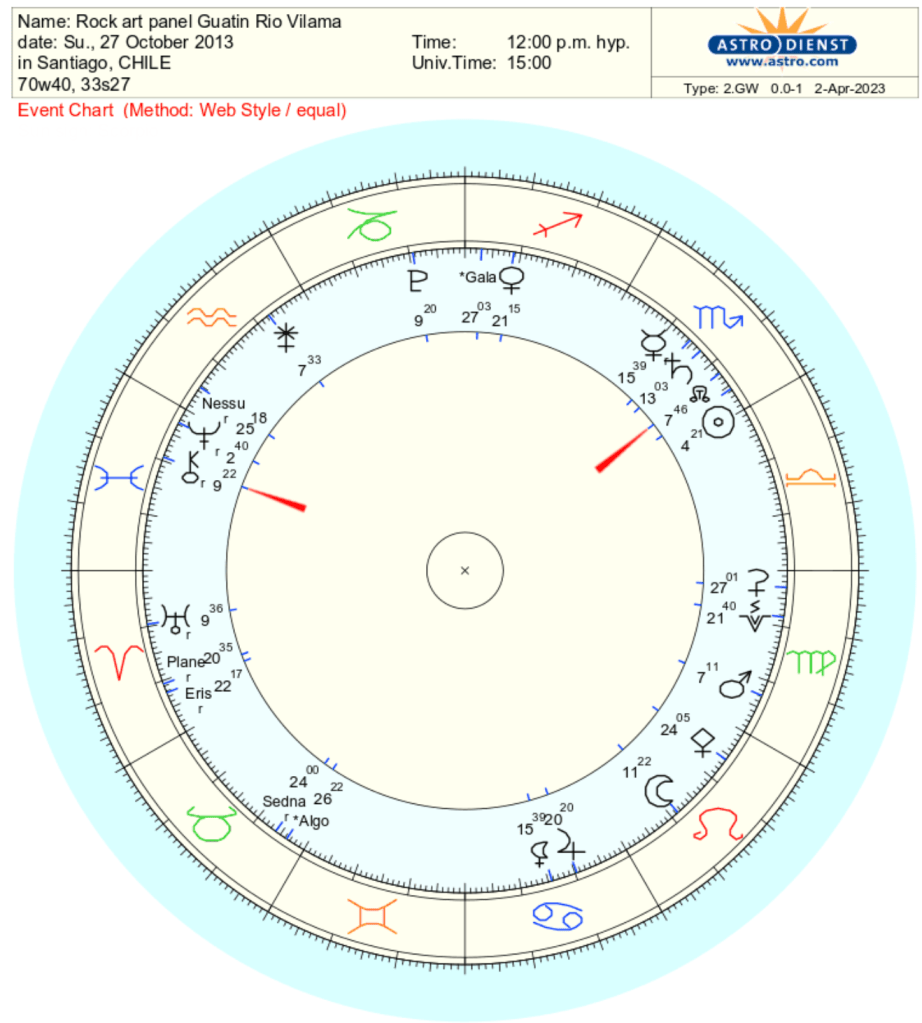
Rock art panel Guatin Rio Vilama
27 October 2013
Pictographs discovered by Mario Giotgetta, in the gorge of Rio Vilama. One panel features 19 anthropomorphic figures holding hands, two camelids, one larger anthropomorphic figure, perhaps the Andean ”Staff God”. One figure is possibly a representation of the Andean fox, more closely related to the wolf than fox, corresponding to Pluto in the chart. The overall thematic story of the imagery is not clear, but the image of presumably humans reaching out to each other holding hands would correspond to Chiron, but it could also bear the meaning of tribe, corresponding to Pluto.
Hand stencil imagery within the archaeological record
Many sites with prehistoric art show hand stencils and hand prints. Here I have focused on the caves where hand stencils are a prevalent or dominating feature. In the case of cave art there is often a precise date for its discovery, but to discern the correspondence in the astrological chart can be challenging, since one cave can store such a complex and rich composition of imagery. Within this small astrological study I would say that the chart has shown to reflect a main theme, not always easy to discern.
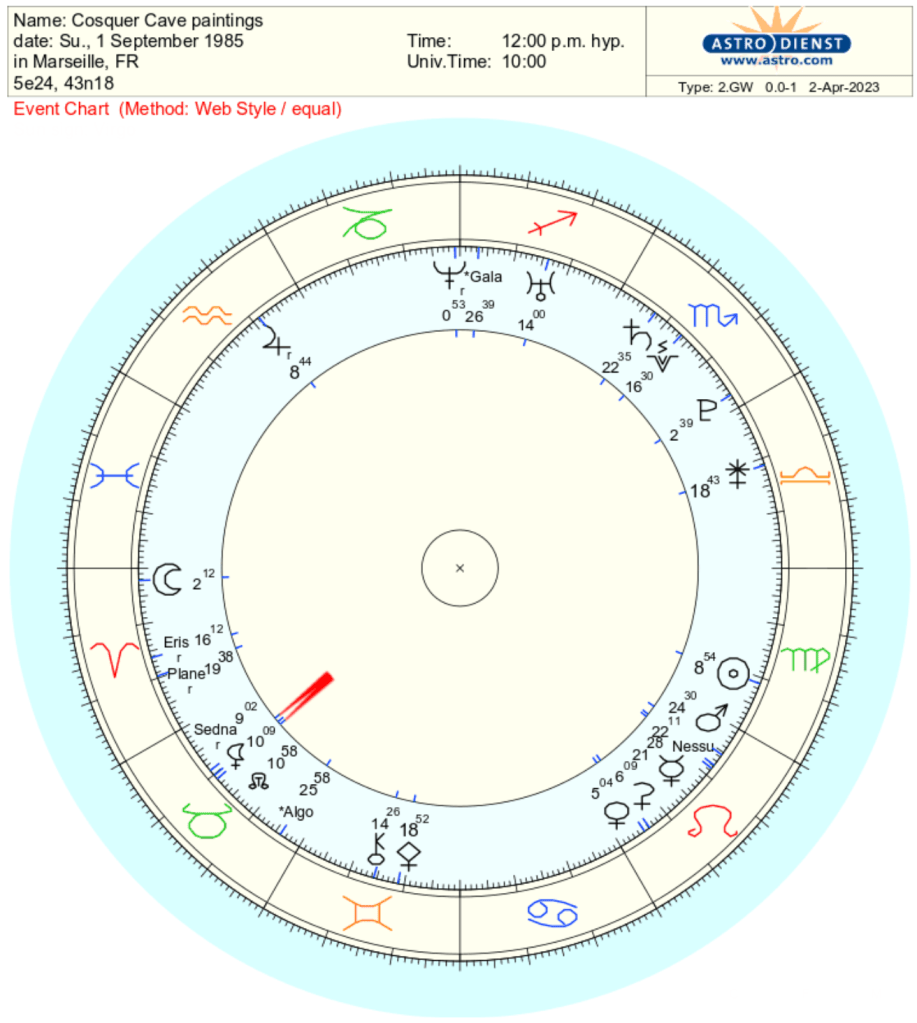
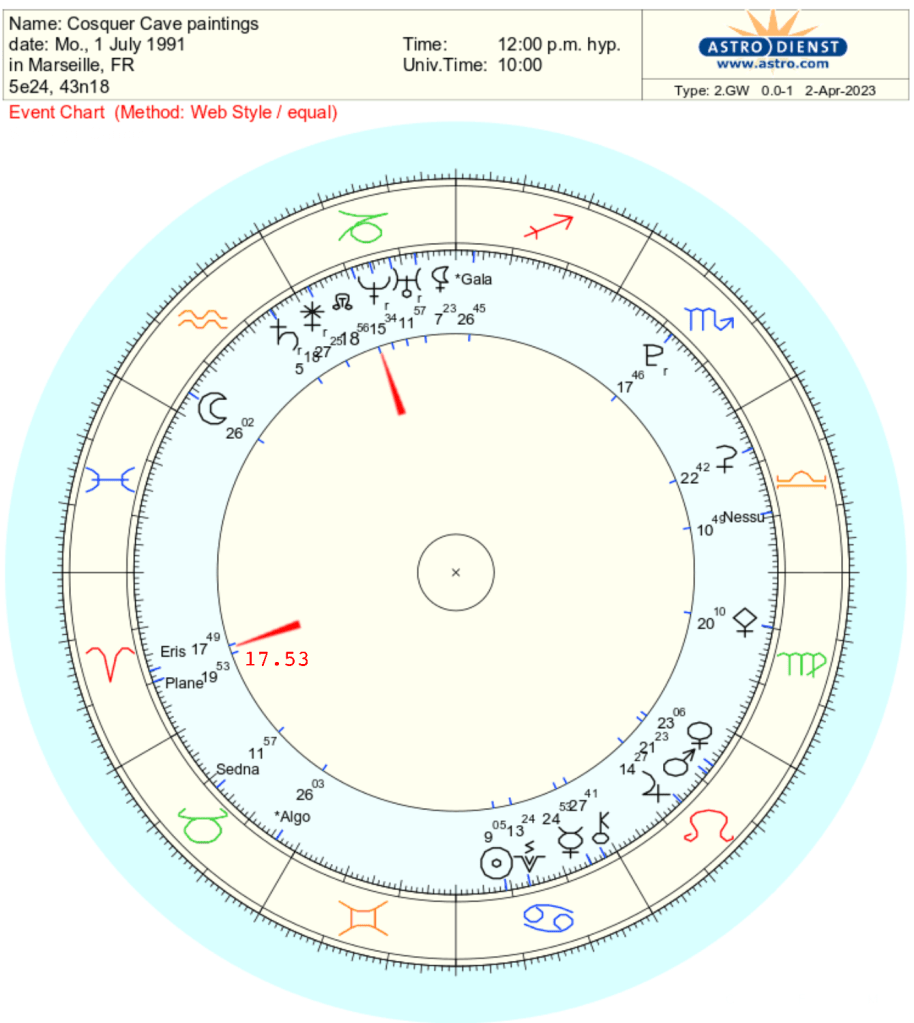
Cosquer cave paintings
September 1985
9 July 1991
It is not clear to me whether Henri Cosquer saw any of the paintings at the discovery of the cave in 1985, the chart makes you wonder if entering the cave was the discovery of a prehistoric scene with the chart signature of Sedna. The paintings were allegedly discovered in July 1991, with the chart reflecting a correspondence to Faunus. The art consists of 65 hand stencils, and in total 177 animal drawings.
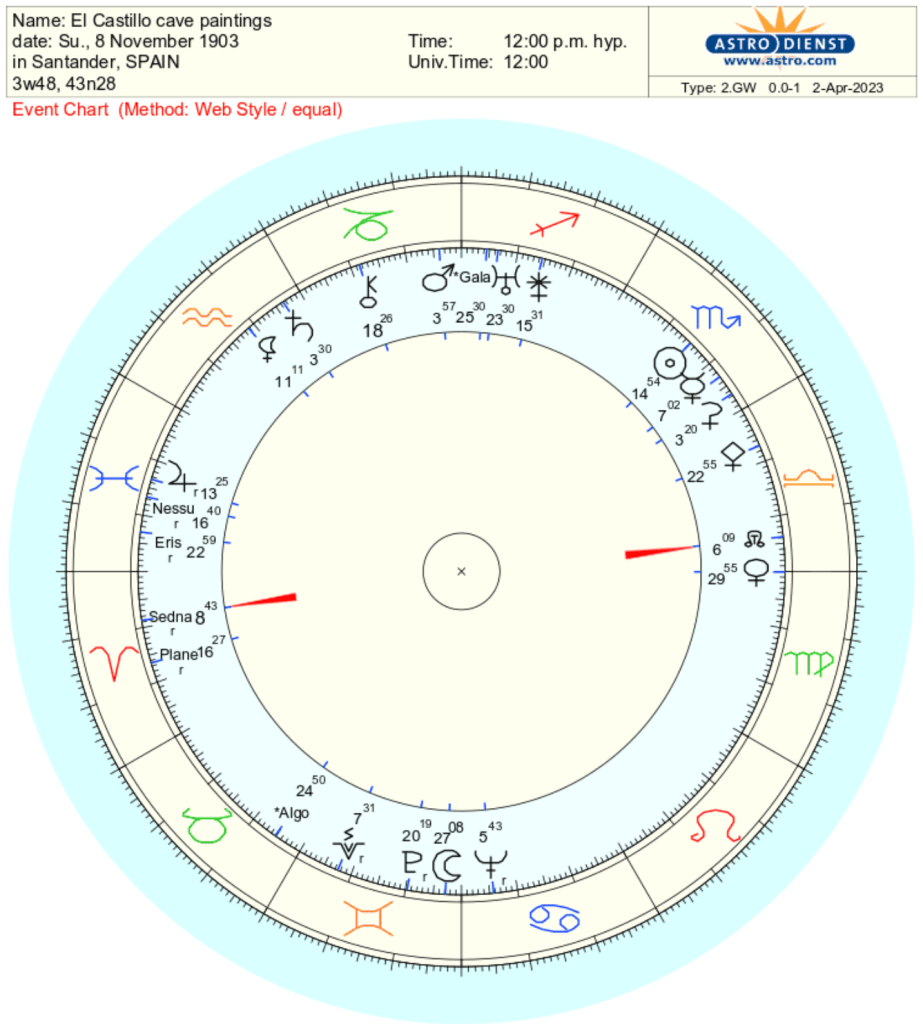
El Castillo cave paintings
8 November 1903
The Aurignacian cave complex of El Castillo contains over 150 drawings of which 55 are hand stencils. One panel in ”the Gallery of Hands” is considered to be one of the oldest cave paintings discovered.
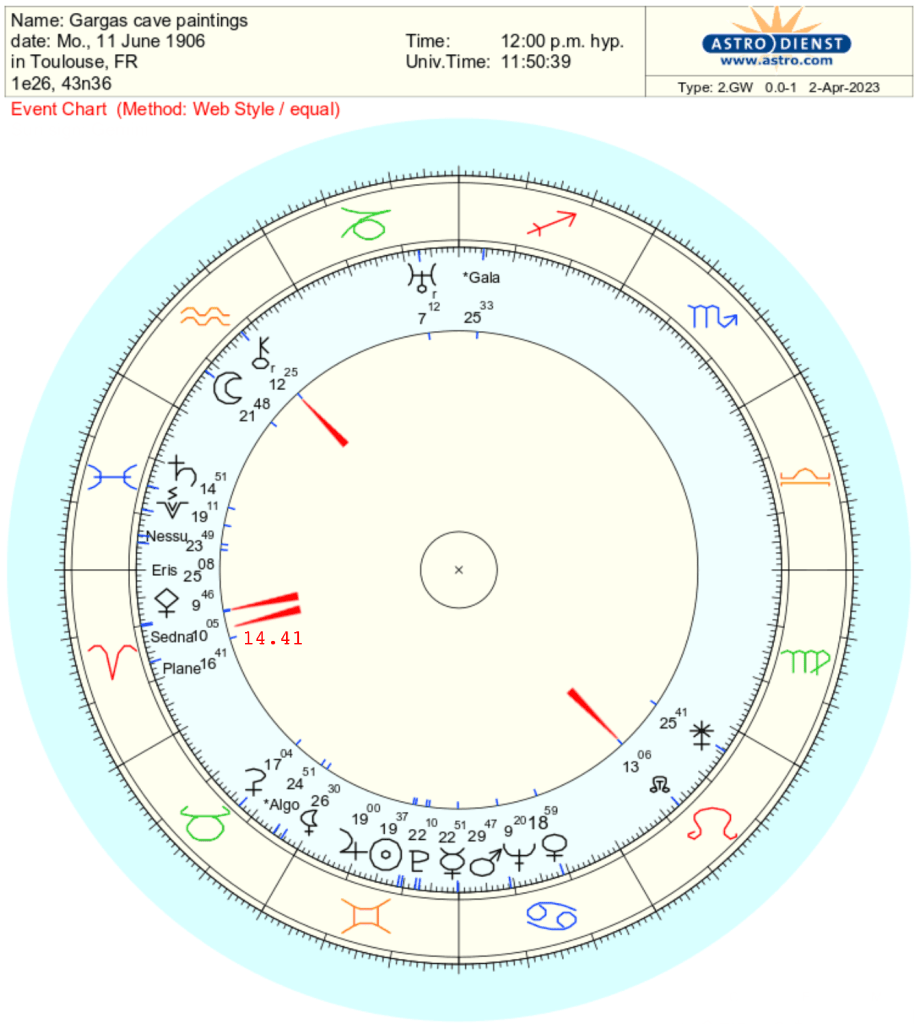
Gargas cave paintings
11 June 1906
Gargas Cave is best known for its over 200 hand stencils, many of which have digits missing or left out. Gargas also contains abstract signs and around 150 engravings of animals.
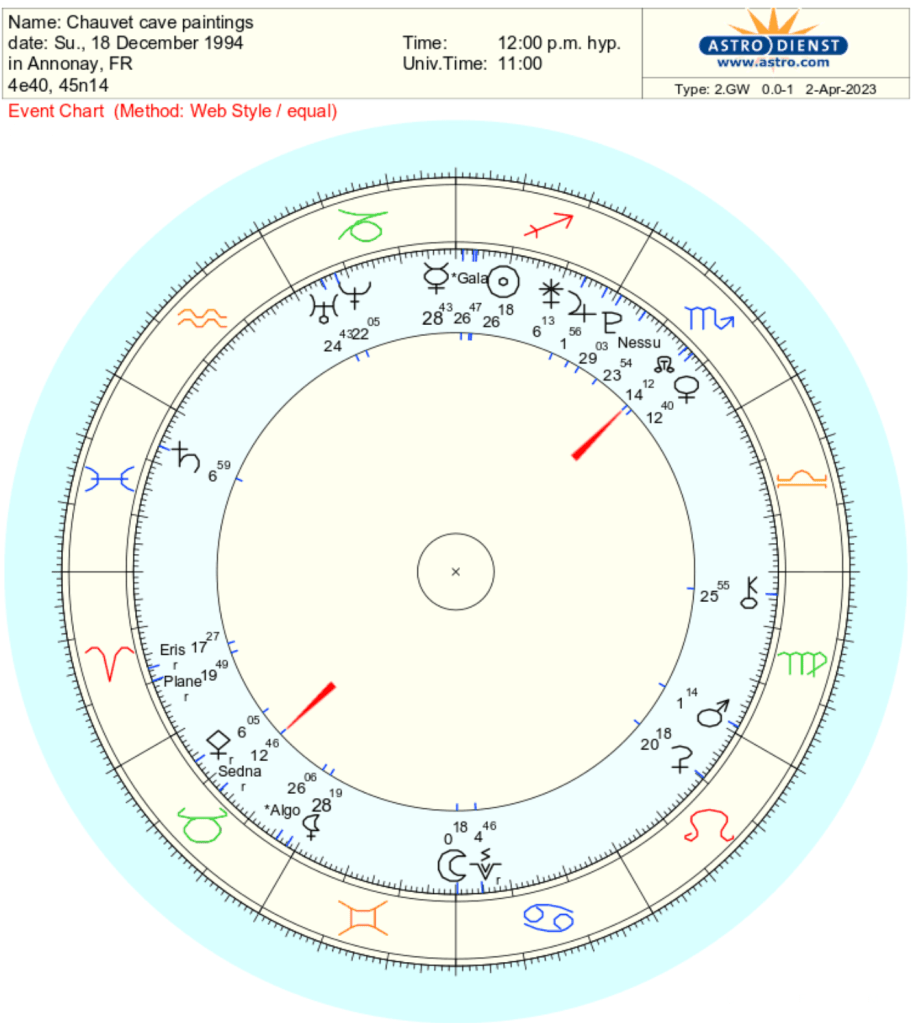
Chauvet cave paintings
18 December 1994
Chauvet displays a few panels with hand stencils and hand prints. There are also at least 420 paintings depicting 13 different species of animals.
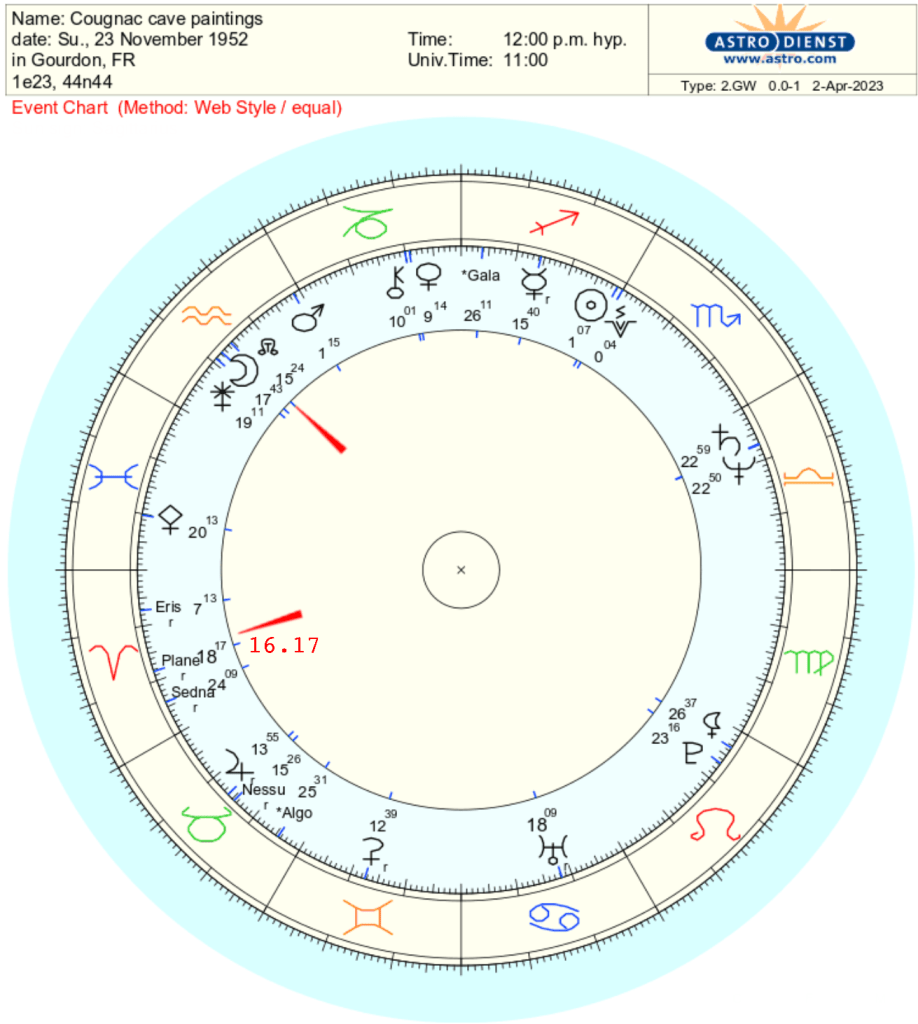
Cougnac cave paintings
23 November 1952
The Cougnac cave art consists of about 50 hand stencils and 60 animal paintings.
Deviating objects
(Possible connection to Nessus and hands as an element of control)
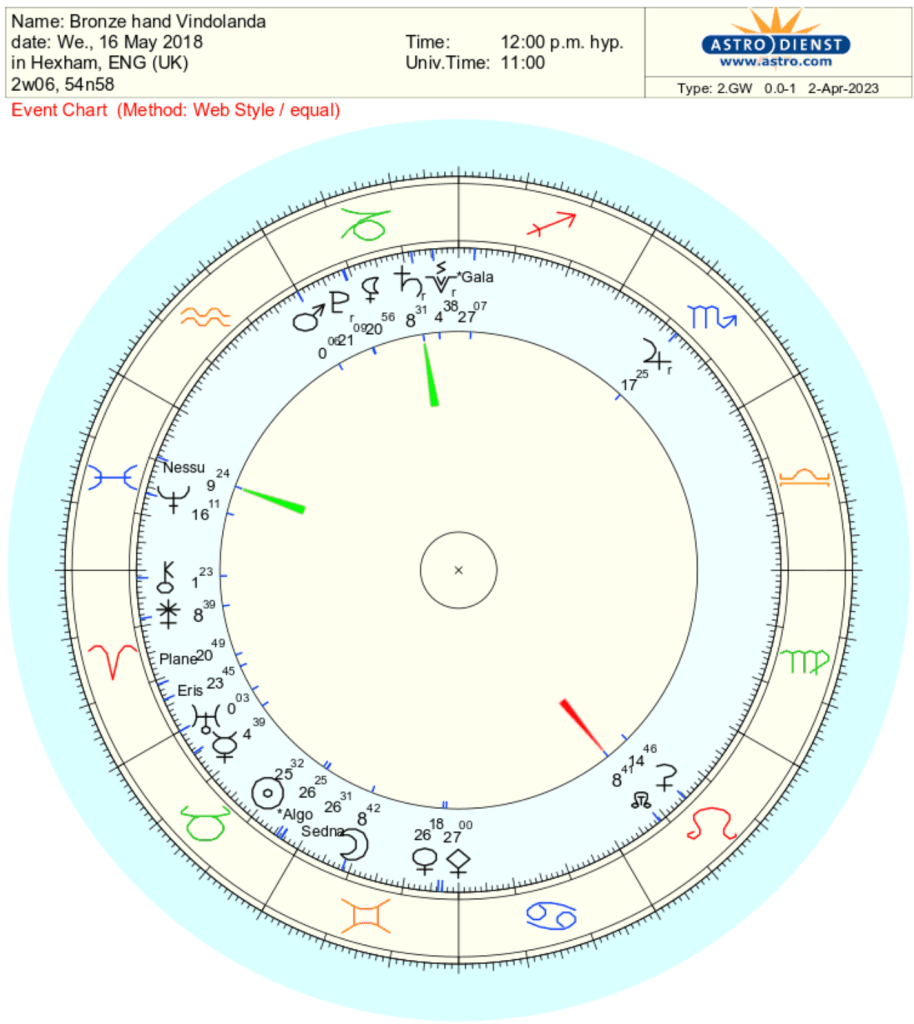
Bronze hand Vindolanda
16 May 2018
A bronze hand, with a socket, presumably for attachment to another object. What originally used to be attached to the palm of the hand has been lost, therefore the correspondence to the chart is obscured. The chart has a Nessus-Saturn-Juno signature, Nessus possibly corresponding to a militaristic theme, which goes along with the context of Vindolanda and the deity thought to be associated with the object, Jupiter Dolichenus.
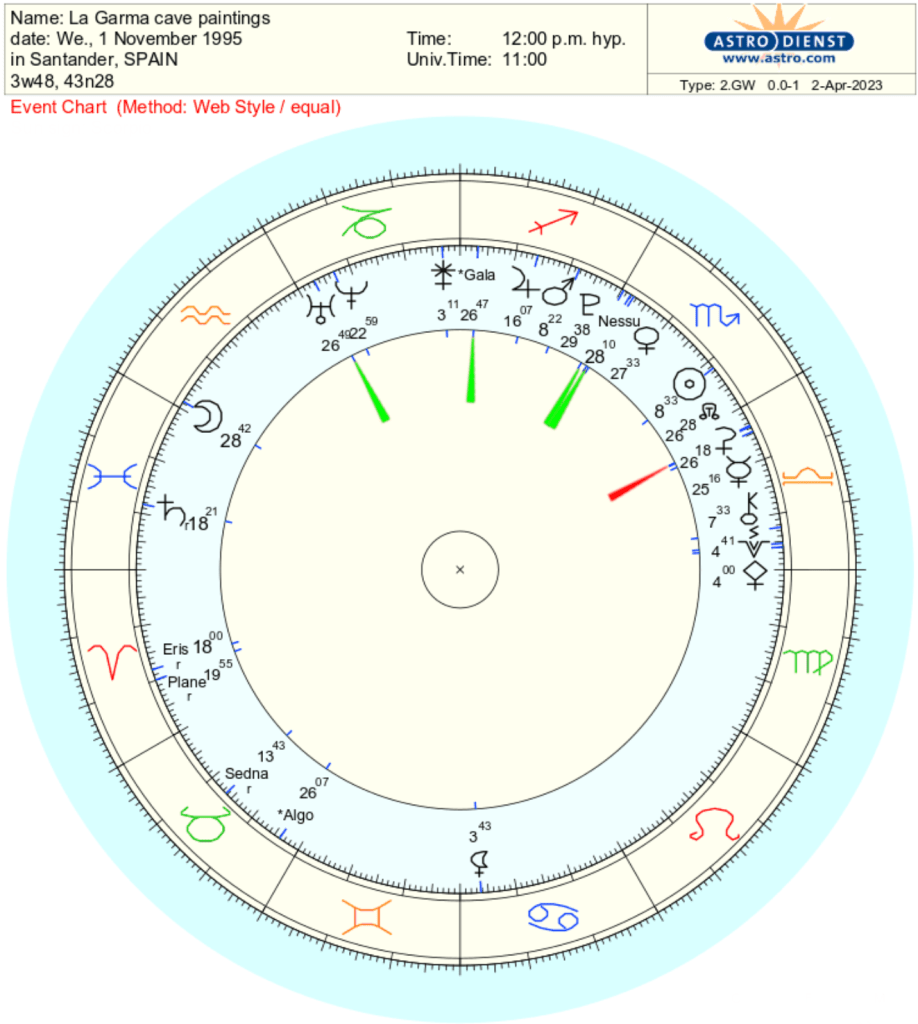
La Garma cave paintings
November 1995
Beyond the non figurative art this cave has 40 hand stencils and 92 animal figures. I have not been able to discern the astrological correspondence, and would possibly need a more precise date.
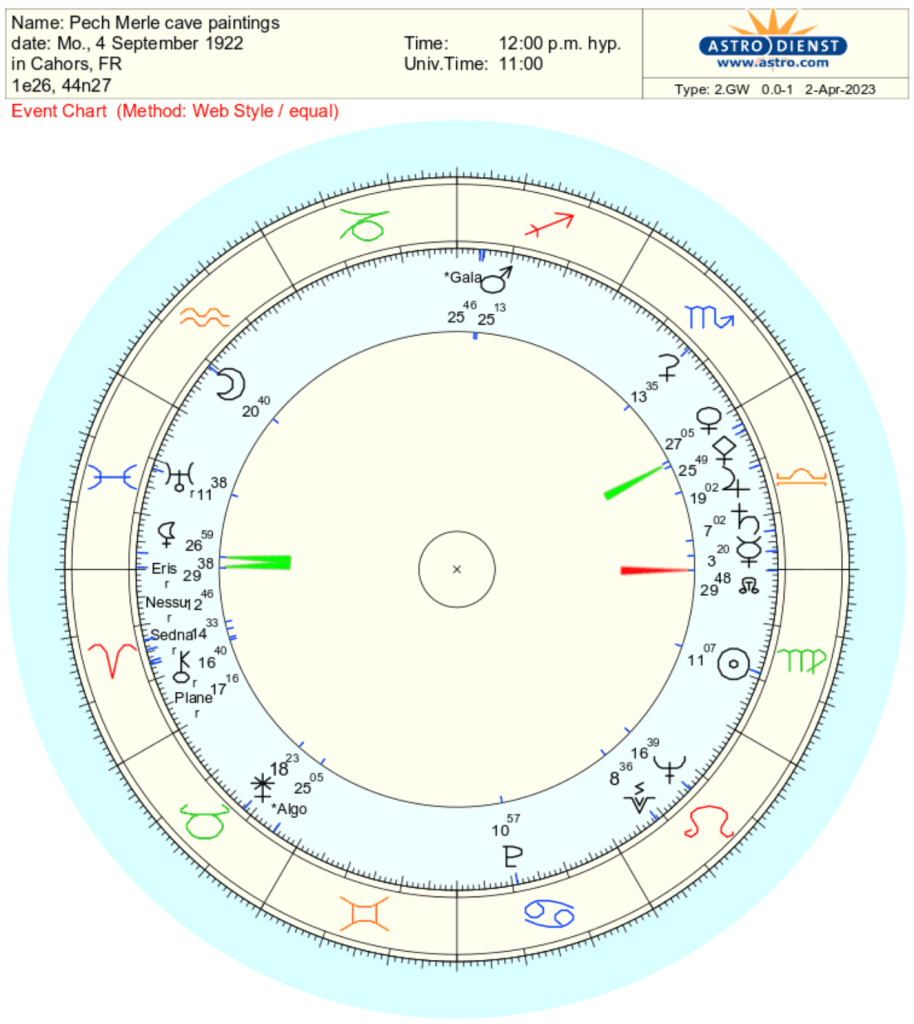
Pech Merle cave paintings
4 September 1922
The most well-known panel of Pech Merle depicts two horses with a series of dots inside and around the figures. While this panel also features a few very distinct hand stencils in relation to the two horses, the theme that is reflected in the astrological chart seems to concern the imagery of the Moon (Black Moon). The most recent interpretation of the dots occurring in cave art goes along with the lunar imagery. The results of deciphering these dots show a correspondence with the lunar calendar and a system to record information of life cycles of animals.
Reference
- Joakim Goldhahn, Terje Østigård (2007). Rituelle spesialister i bronse- og jernalderen.
Image
Hand Stones from Sandagergård. Photo; Lennart Larsen Source; Copenhagen national museum
10.9 Discovery Charts
Deviating Objects
Objects for further research and accession of dates of discovery;
Cueva de las Manos, Argentina (1941)
Maltravieso cave paintings (October 1956)
Actun Uayazba Kab ‘handprint cave’, Belize (1996)
Sulawesi Cave paintings (2011?)
‘Tomb of the silver hands’ Vulci (spring 2013)
Severed hands Tell el-Dab’a (autumn 2011)
Hand stone, Rævebakken (1858)
Hand stone, Åshøje (1881)
Hand stone, Klokkerbanken (1904)
Hand stone, Torup (1919)
Hand stone, Nylende (1926)
Hand stone, Lille Havelse (1938)
Hand stone, Kobbelgårdene (1940)
Hand stone, Rungstedlund (1941)
Hand stone, Galgebakke (1946)
Hand stone, Almsted (1954)
Hand stone, Føllenslev (1956)
Hand stone, Grevinge kyrka (1961)
Hand stone, Jenriksbakke (1964)
Hand stone, Vestre Løkke (1966)
Hand stone, Færgelunden (1968)
Hand stone, Spoelsbjerggård (1969)
Hand stone, Jyderup Skov (1971)
Hand stone, Grevinge kyrka (1984)
Hand stone, Mosse Myr (1985)
Hand stone, Udby Vig (1992)
Hand stone, Torp i Tossene (1993)
Burial Lake Baikal, the buried holding hands (Before 14 July 2016)
Burial Cluj-Napoca, the buried holding hands (Before 22 April 2013)
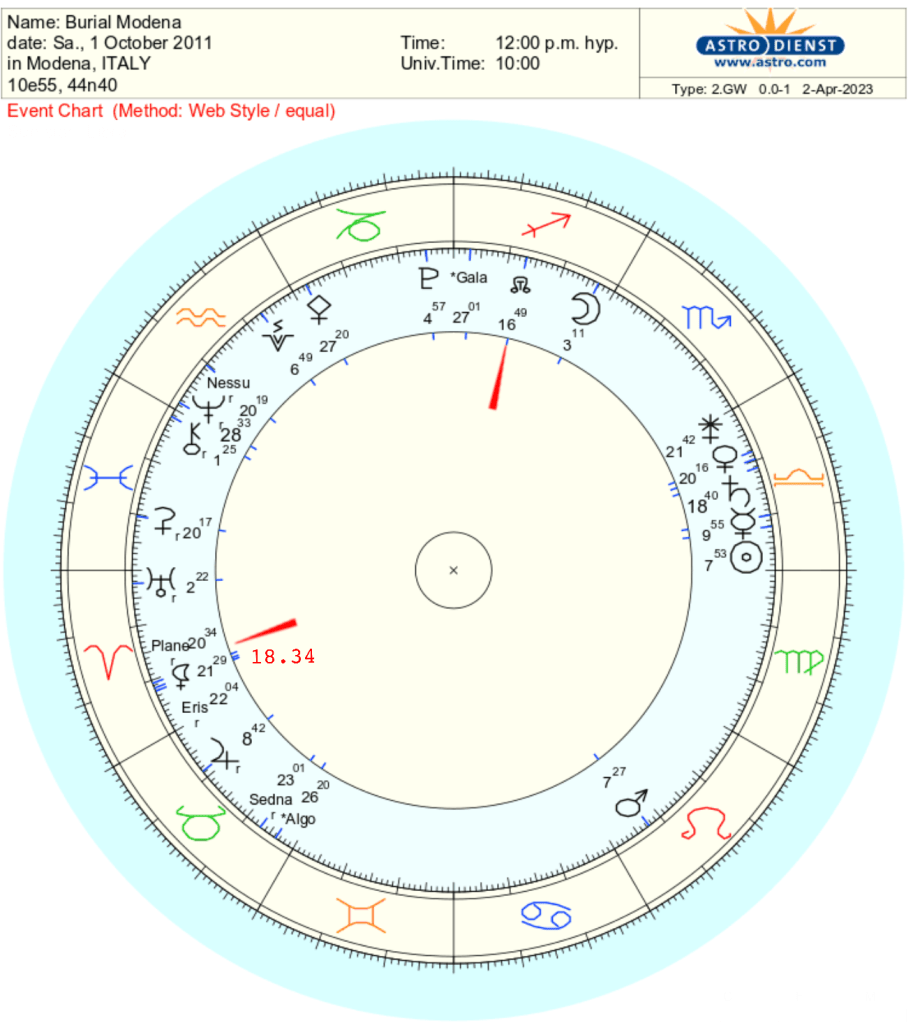
Burial Modena, the buried holding hands (2009 or 2011)
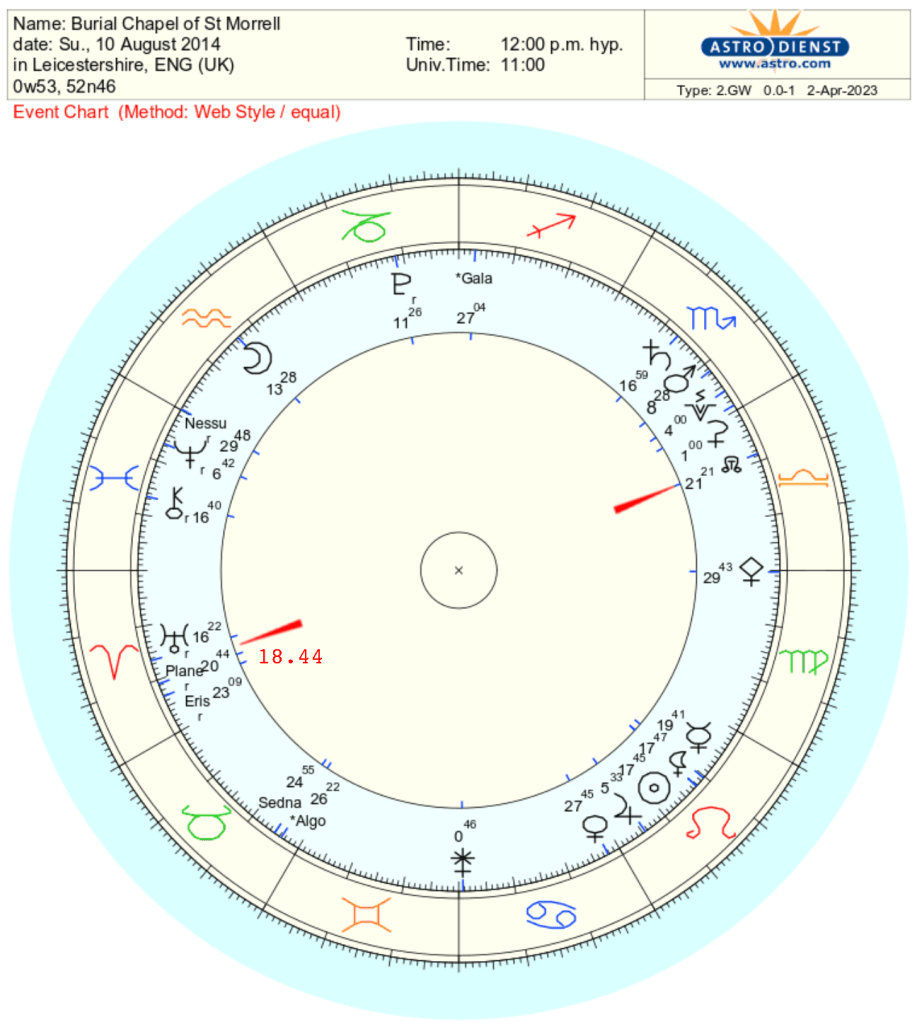
Burial Chapel of St Morrell Leicestershire, the buried holding hands (Ca 10 August 2014)
 Belowthebridgeology